Sustainability: The New Standard in Luxury Outdoor Furniture
Intentional design and quality have always defined luxury furniture. In today’s world, however, designers and consumers are looking deeper, seeking pieces that combine enduring craftsmanship with environmental integrity. How furniture is made is now just as important as how it looks and feels.
To better understand how sustainability is reshaping the design world, we spoke with architect and designer Sharlene Young, principal of Symbiotic Living Architecture and Design. Known for creating spaces that prioritize health, well-being, and sustainability, Young has seen this shift firsthand. “It’s an ongoing educational process,” she explains. “Up to 80% of the project’s environmental impact is determined during the design phase.”
This growing attention to sustainability has sparked a broader conversation in design and among consumers, paving the way for a new standard in how furniture is envisioned, produced, and valued.
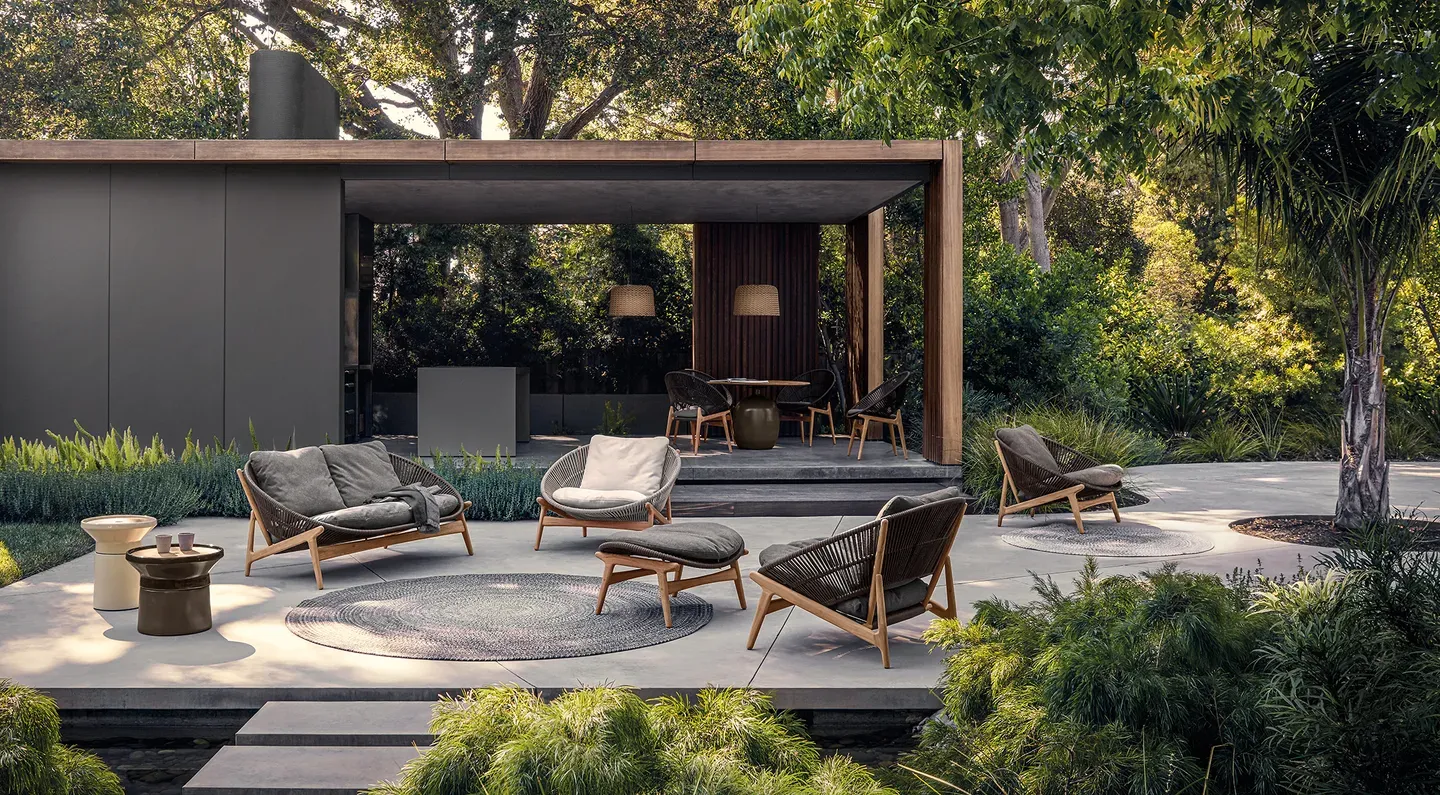
The Rise of Sustainable Design
Today, more people than ever are considering the environmental impact of their purchases and making choices that support the planet and future generations. While sustainability can sometimes feel abstract or unattainable, modern consumers and designers are discovering that responsible choices can also be accessible, beautiful, and luxurious.
Brands like Gloster have led this evolution, showing that sustainability doesn’t mean compromise. Instead, it adds purpose and depth to every piece, with each design telling a story of environmental respect.
Yet, much of the furniture available today tells a different story. Mass-produced furniture, made quickly with cheap materials and little regard for longevity, has flooded the market. These pieces may look good initially but rarely stand the test of time. Some companies even do this under the guise of “luxury,” making it even harder to find pieces that are truly made with care and intention.
This is why sustainability has become a core consideration in the design process. As Young explains, “It’s about finding products designed to have longevity in mind versus something that’s designed to be basically like the equivalent of fast fashion.”
A New Standard in Furniture and Design
As the importance of sustainability grows, so does the demand to design spaces with pieces that reflect both personal and environmental values. “We introduce aspects of sustainability that we know will resonate with [our clients],” says Young. When a space feels authentic, the furniture within it naturally has greater longevity.
For outdoor furniture, durability and repairability are essential. “It has to be able to take on all weather, but apart from how durable the materials and surfaces are, we also ask about repairability,” explains Young. “If a part breaks down, can it be replaced?”
Sustainability, most importantly, comes down to a product’s origin and how it’s made. Young emphasizes the importance of production, noting, “[Something] top of mind the last few years is circular economy, so it’s really also thinking about byproducts.” Details like how brands handle repairs, offcuts, or waste may seem small, but they make a significant difference in creating furniture that is long-lasting and truly sustainable.
For Gloster, sustainability is deeply rooted in who we are as a company. Since the 1960s, Gloster has redefined luxury outdoor furniture through careful material selection, intentional craftsmanship, and mindful production practices that imbue every collection with longevity.
Gloster: A Leader in Sustainable Outdoor Furniture
Every Gloster piece begins with ethically grown farm teak, harvested in Indonesia under strict sustainability guidelines. This ensures a continuous cycle of renewal rather than depletion, earning Gloster our FSC® certification for responsible forestry.
In our Surabaya workshop, Gloster’s artisans handcraft each piece with precision, blending traditional woodworking techniques with modern design principles. This human touch means no two pieces are exactly alike, a stark contrast to the uniformity of mass production, and results in furniture with lasting value.
Gloster also puts sustainability into practice by using teak byproducts to power our wood-drying kilns and continually exploring new ways to recycle waste. The Block collection perfectly exemplifies this approach with side and coffee tables crafted from teak offcuts that were once considered waste and are now transformed into beautiful, high-quality furniture.
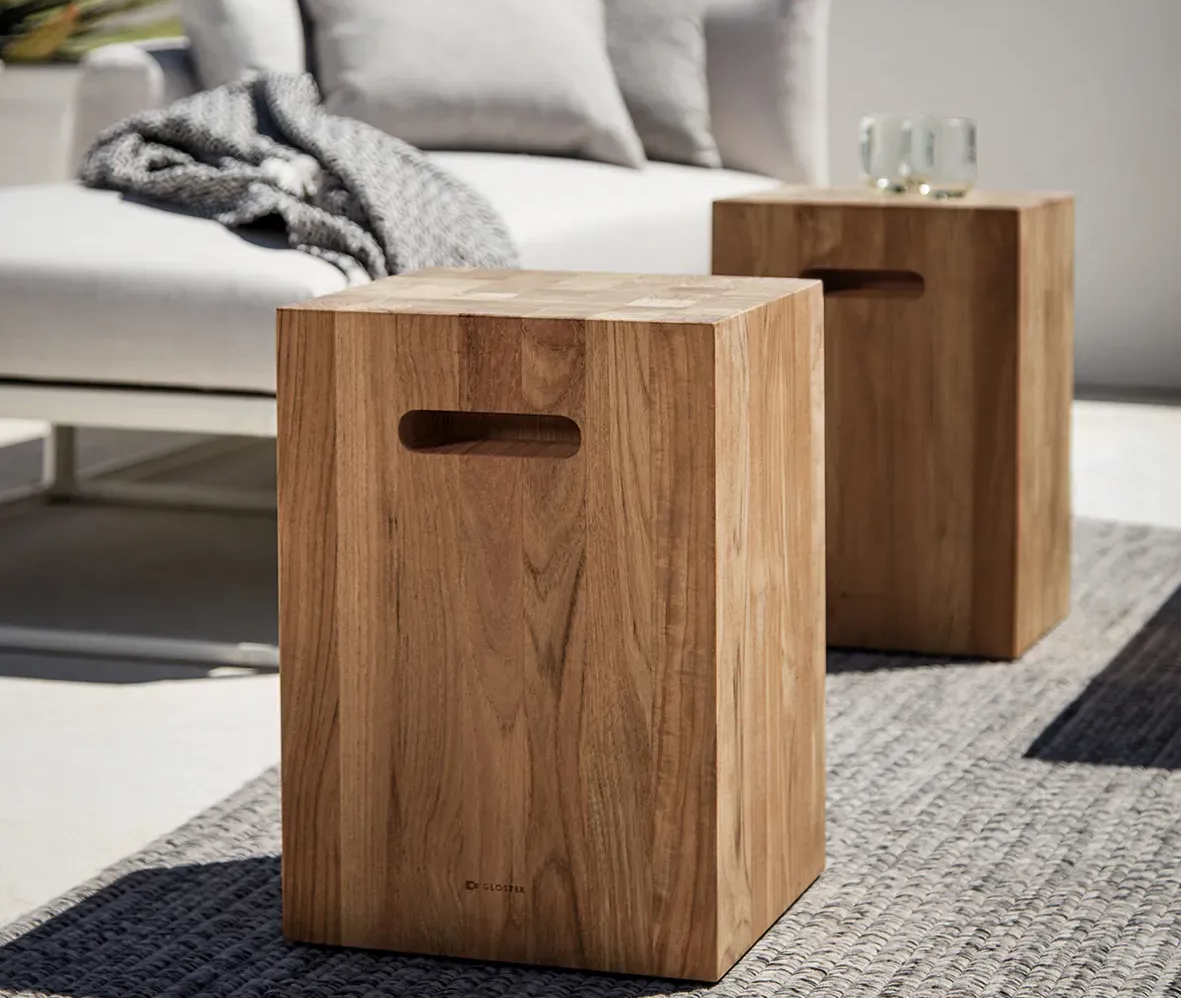
Gloster Block Collection
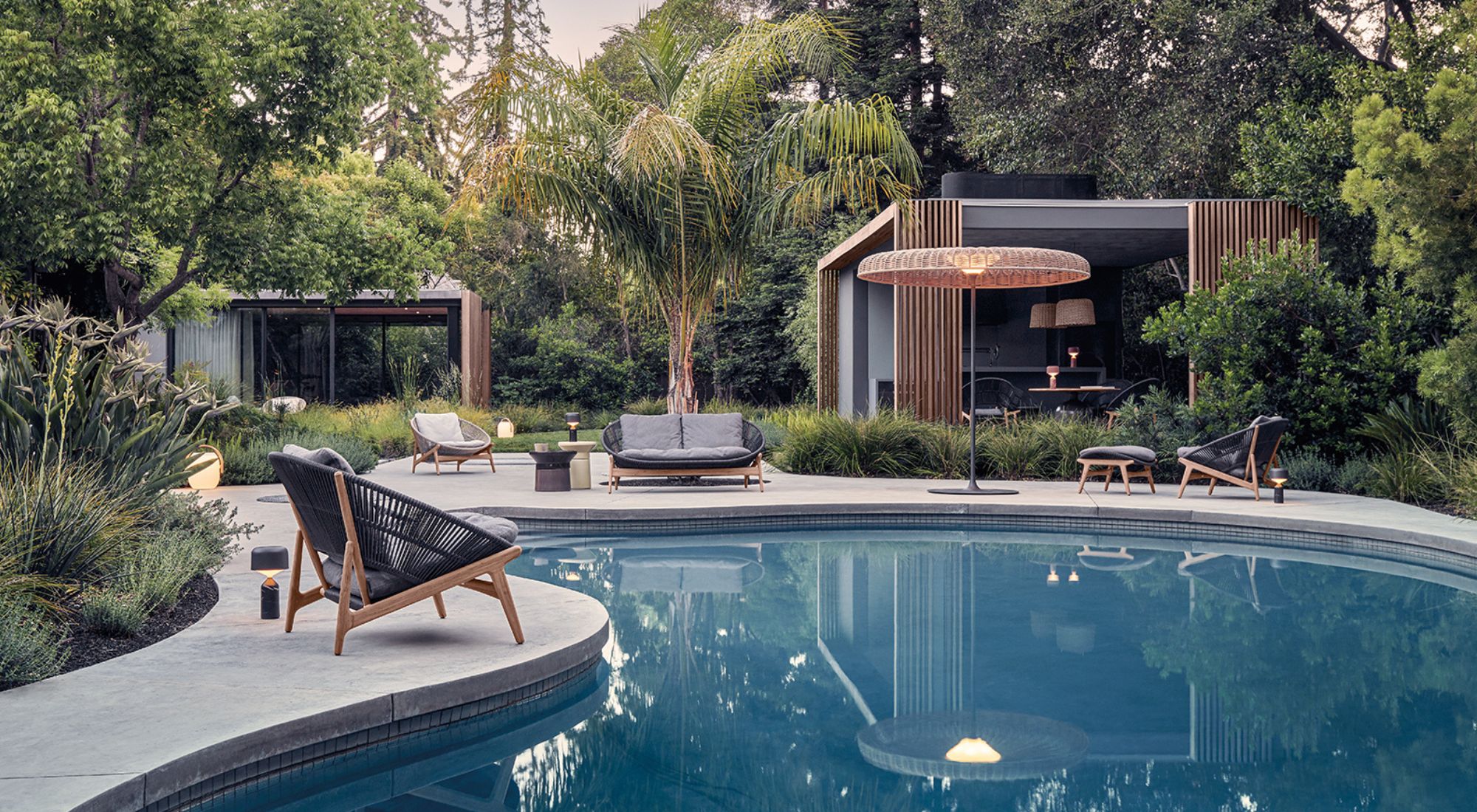
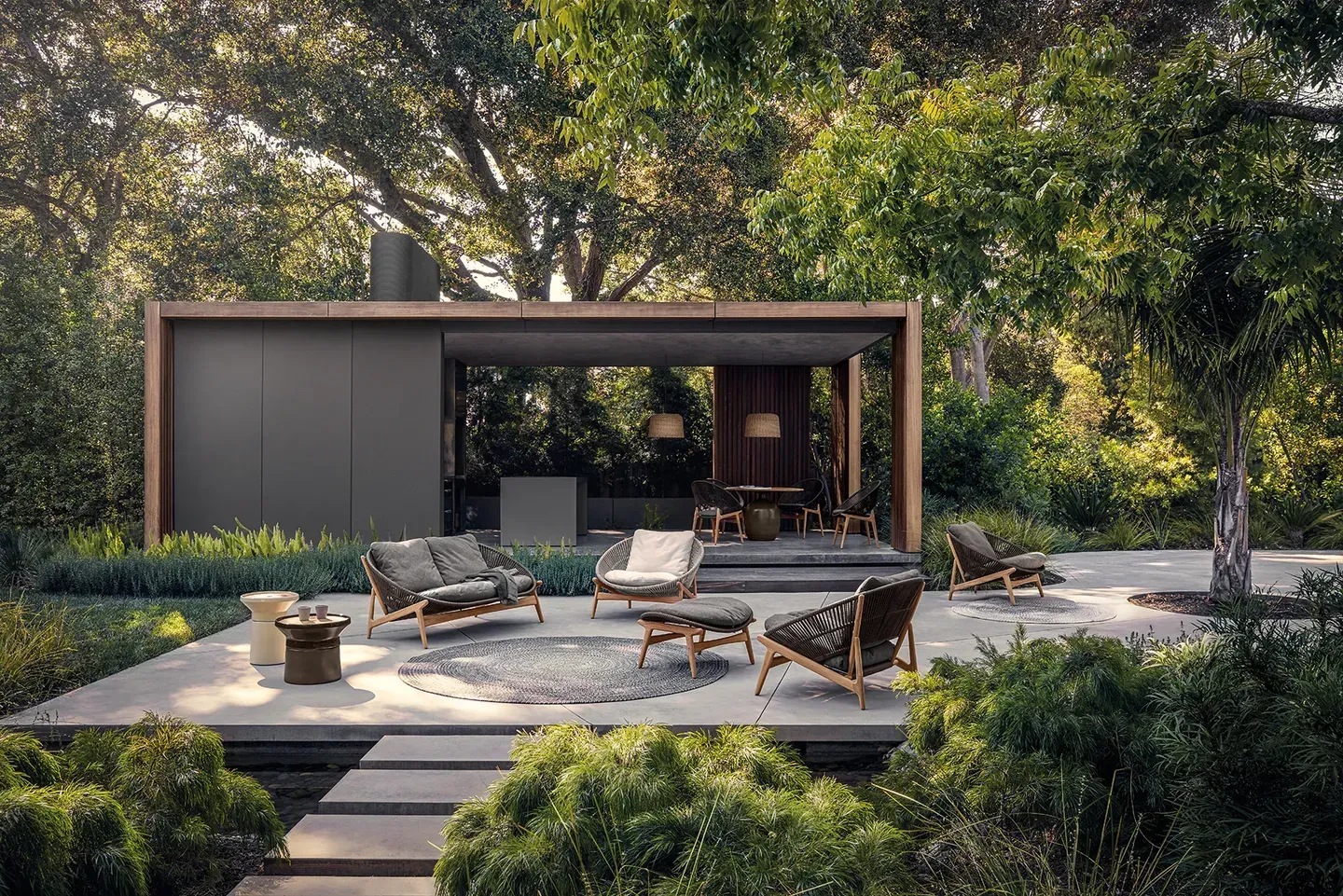
This commitment to thoughtful design extends beyond our workshops and into the spaces where Gloster pieces are used. Symbiotic Living has incorporated Gloster’s Bora collection into a recent project, Oceanfront Residence, a home that reflects the firm’s commitment to biophilic principles for well-being benefits. Bora’s organic forms and natural materials fit perfectly in this space and create a meaningful connection between the home and its surrounding landscape.
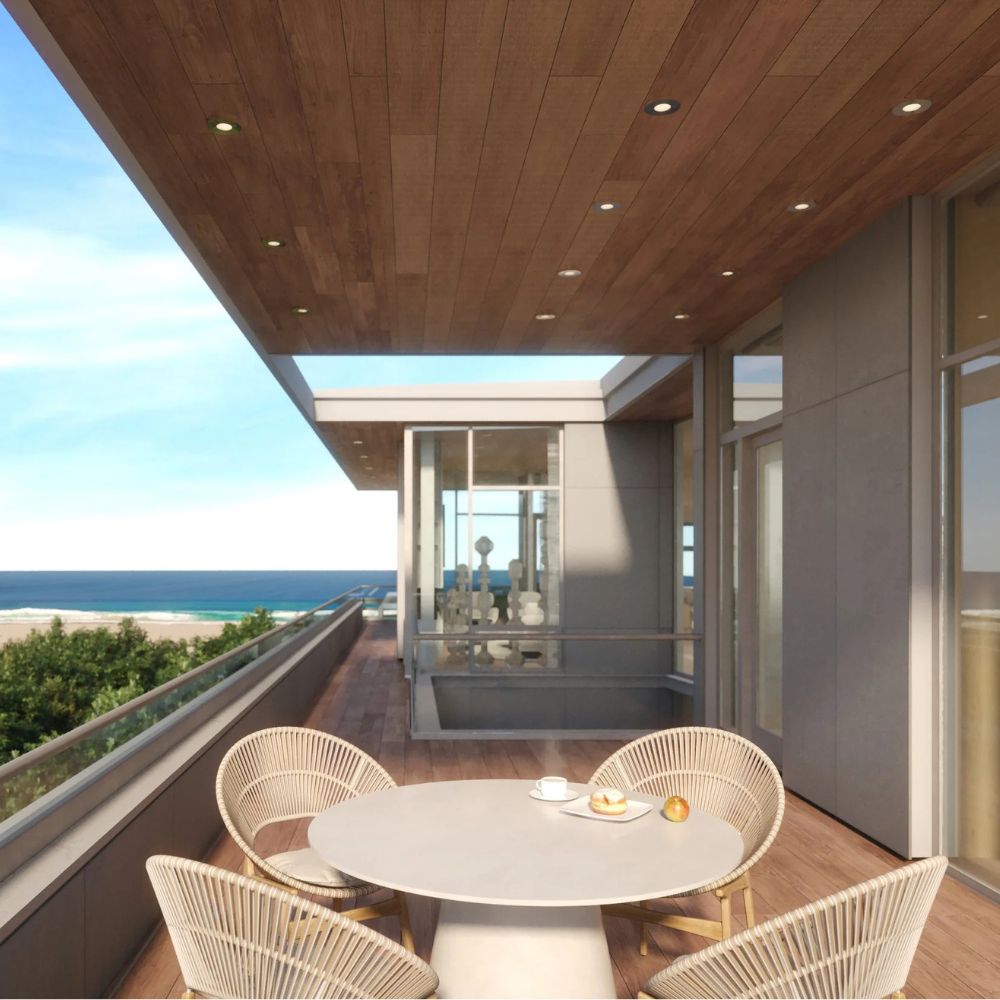
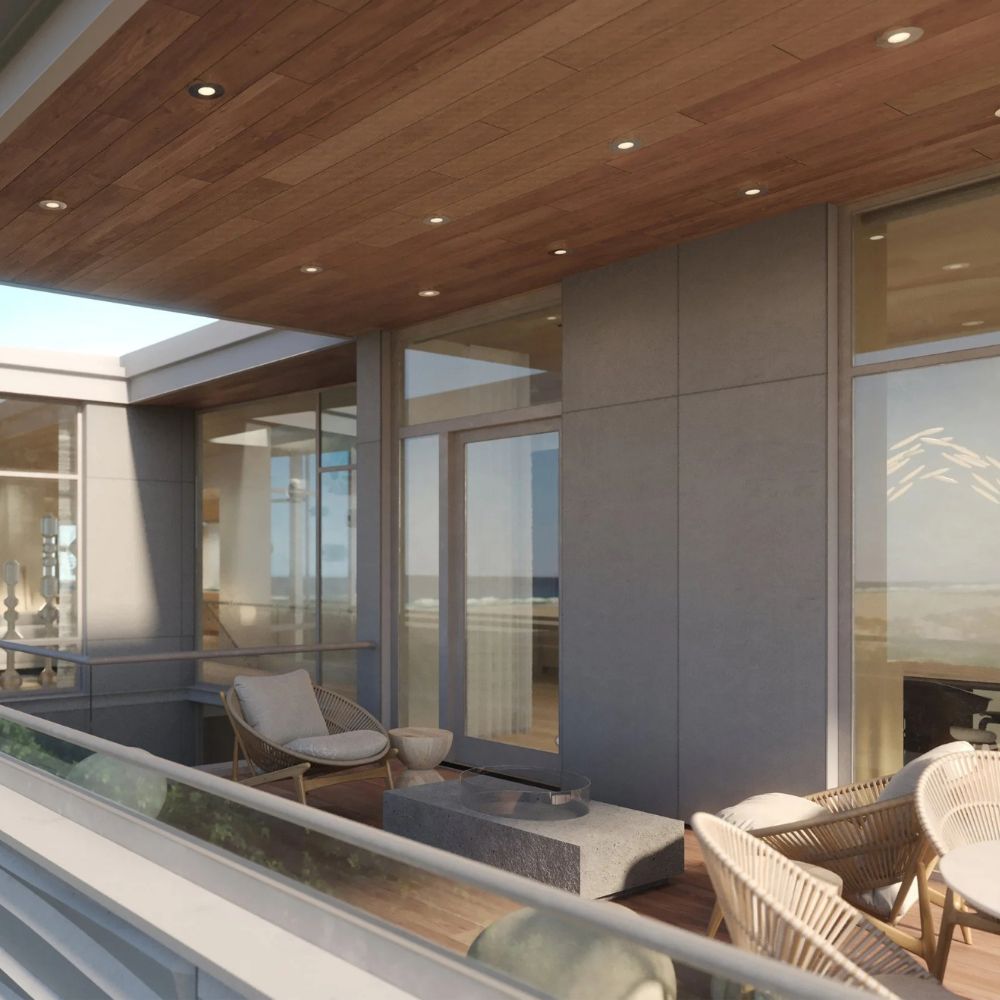
By combining sustainable materials, human craftsmanship, and timeless design, Gloster represents a return to purpose and intention in luxury furniture. As Young observes, “It’s very much about well-being for not just the environment but the people as well. We are the beneficiaries.”